

Ituran Study: OBD Coding Behind 56% of Vehicle Thefts in Israel
Posted on Oct 1, 2026 by Ifi Reporter - Dan Bielski
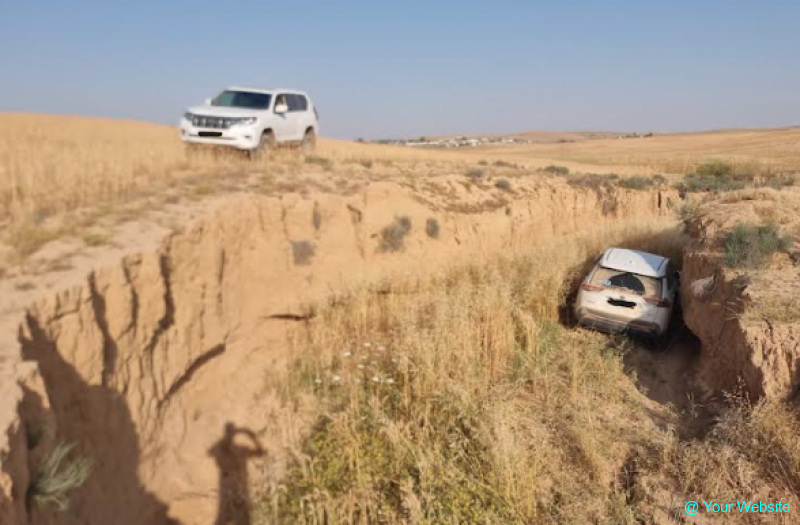
New data from Israeli vehicle-security company Ituran shows that sophisticated electronic methods have become the dominant tool used by vehicle thieves in Israel, with 56% of thefts recorded during the first three quarters of 2026 involving access to and coding through the vehicle's OBD port.
The study is based on a nationwide sample of approximately 1.1 million vehicles and examines theft methods, geographic patterns, vehicle categories and the timing of theft attempts. The findings were also reported by Israeli media.
Electronic Theft Now Dominates
According to Ituran, in 22% of theft incidents, the thief was already in possession of the vehicle's key.
Another 10% of incidents involved forced entry, while 12% involved towing or loading the vehicle and removing it from the area.
The company also found that 4% of vehicles stolen during 2026 in its sample were stolen more than once, highlighting the continuing ability of organized criminal groups to re-target vehicles that had previously been recovered.
The figures point to a significant shift away from traditional break-ins toward technologically assisted theft.
Gush Dan Remains Israel's Main Theft Hotspot
Geographically, Gush Dan accounted for 41% of all theft incidents recorded in Ituran's sample during the first three quarters of the year.
It was followed by:
- Jerusalem and Modi'in — 18%
- Sharon region — 15%
- Southern Israel — 14%
- Shfela region — 10%
- Northern Israel — 1%
- West Bank — 1%
The distribution is based on Ituran's own monitored vehicle population and therefore should not be interpreted as official nationwide police statistics.
Ituran also reported that the principal destinations identified in connection with stolen vehicles were Tulkarm, Qalqilya, Ramallah and Hebron.
SUVs and Crossovers Lead the Target List
The vehicle categories with the highest incidence of theft attempts were SUVs and crossovers, accounting for approximately 40% of incidents in the study.
Passenger cars accounted for 34%, motorcycles for 14%, commercial vehicles for 6%, trucks for 5%, and heavy construction and engineering equipment for 1%.
The data indicate that larger personal vehicles remain particularly attractive targets for organized theft networks.
Newer Vehicles Are Also Being Targeted
The study found that 48% of the vehicles stolen were model years 2023–2026, while 40% were white.
The high proportion of relatively new vehicles is consistent with the increasing use of electronic theft methods, which exploit vulnerabilities in modern vehicle electronics rather than relying solely on physical forced entry.
The Early-Morning Window
The highest concentration of vehicle thefts occurred between 3 a.m. and 5 a.m., according to Ituran.
The company said theft activity during that period was approximately five times higher than during daylight hours, defined as 7 a.m. to 7 p.m.
The study identified Tuesday, May 12, 2026, as the single day on which the highest number of thefts was recorded during the first three quarters of the year.
367 Suspected Theft Rings Detained
Ituran CEO Nir Shretzki said the company had assisted authorities in the detection and detention of 367 suspected vehicle-theft networks during the first nine months of 2026.
According to Shretzki, the detention of theft rings during the third quarter alone prevented an estimated NIS 2 billion in economic losses to the Israeli economy.
The figure is an Ituran estimate, rather than an independently verified government assessment.
The company argues that real-time identification and disruption of organized theft networks can also have a longer-term deterrent effect by contributing evidence that may assist in criminal prosecutions and imprisonment.
A Growing Technology Arms Race
Ituran's findings reflect a broader shift in vehicle theft, in which criminals increasingly exploit the electronic architecture of modern cars.
The company has said that it is developing technologies, including artificial-intelligence-based capabilities, to identify changing theft patterns and respond to new methods. Its own security systems combine vehicle-location technology, a 24-hour control center and an operational enforcement unit.
The data also highlight the challenge facing vehicle manufacturers, security companies and law enforcement agencies: as vehicles become increasingly connected and computerized, the systems designed to make them smarter can also create new targets for organized criminals.
The Bigger Picture
The Ituran figures do not provide a complete count of every vehicle stolen in Israel, since they are drawn from the company's monitored vehicle population rather than the entire national fleet.
Nevertheless, the scale of the sample — approximately 1.1 million vehicles — provides a substantial indication of current patterns.
The clearest trend emerging from the data is the growing role of technology in vehicle theft. More than half of the thefts recorded by Ituran involved electronic access through the OBD system, while traditional forced entry accounted for a much smaller share.
For Israeli drivers, the study suggests that the modern vehicle theft threat is increasingly electronic, organized and concentrated in the early hours of the morning, rather than simply a matter of someone breaking into a parked car.
Articles Archive
Top Categories
ABOUT IFI TODAY

Lorem ipsum dolor sit amet, consectetur adipisicing elit, sed do eiusmod tempor incididunt ut labore et dolore magna aliqua. Ut enim ad minim veniam, quis nostrud exercitation ullamco laboris nisi ut aliquip ex ea commodo consequat. Duis aute irure dolor in reprehenderit in voluptate velit esse cillum